

How Gutter Guards Work
Learn how gutter guards manage water and debris using mesh filtration and surface-tension designs. Compare Rain Armor® systems engineered for real roof, rain, and debris conditions.
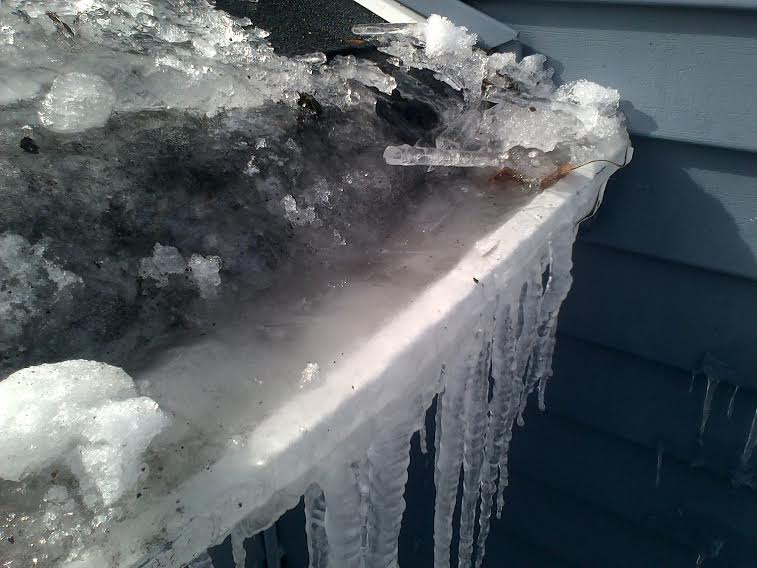
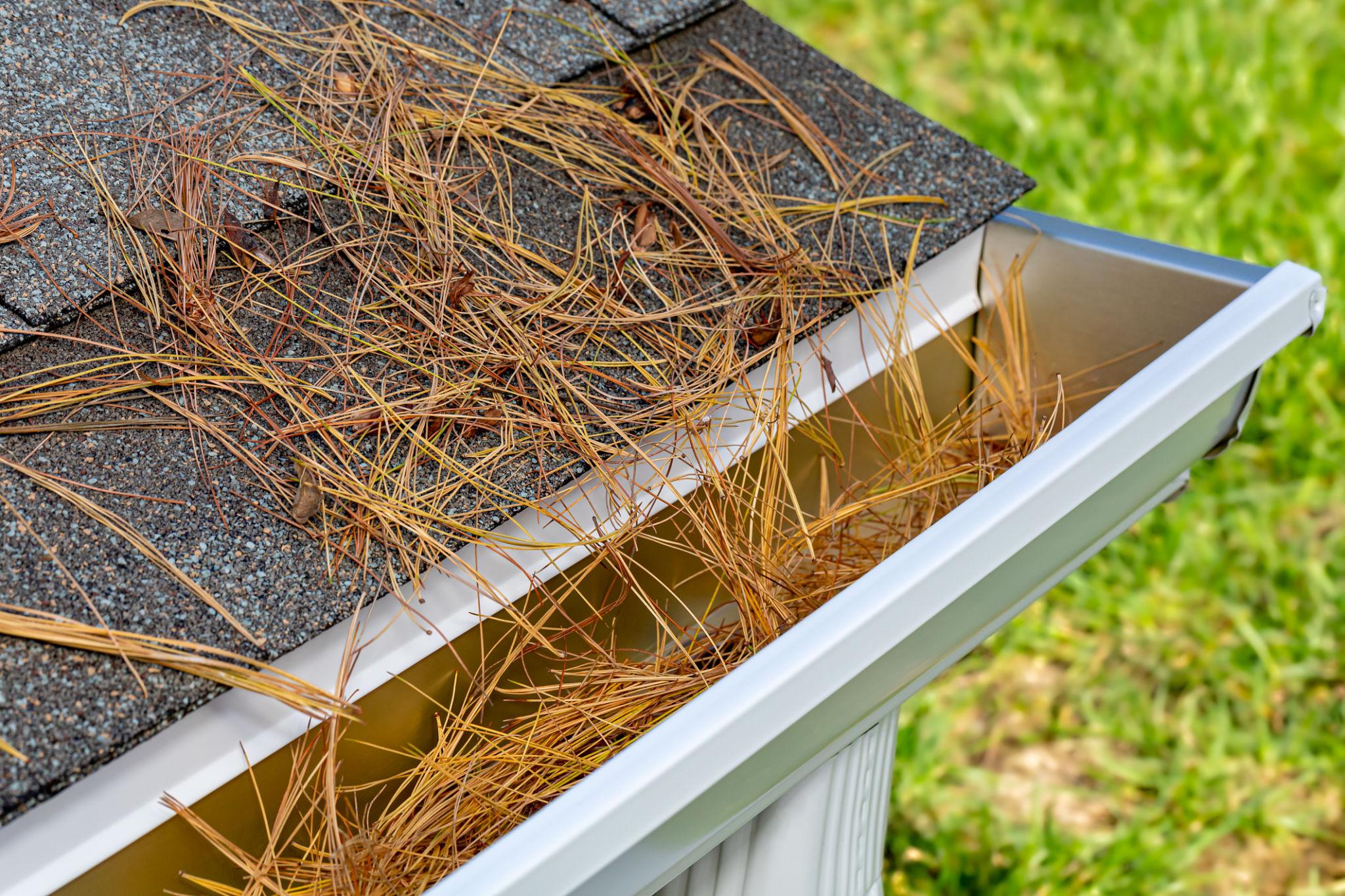
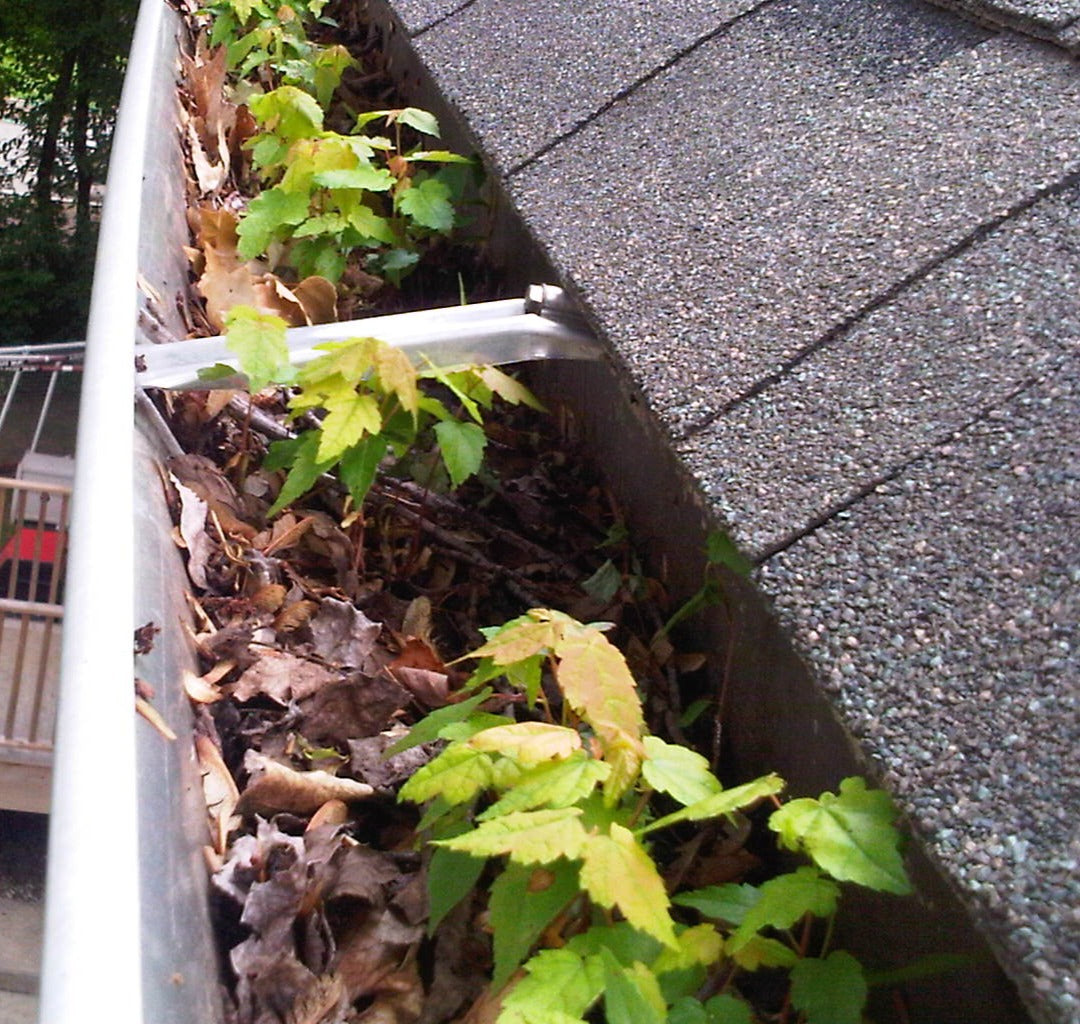
What a gutter guard actually does
Gutter guards don’t “make debris disappear.” They’re designed to separate water from debris so rain enters the gutter while leaves, needles, roof grit, and shingle granules stay out of the gutter channel and downspouts.
When properly matched to your environment and installed correctly, gutter guards help deliver:
- Better water flow
- Fewer clogs
- Less overflow risk
- Less maintenance over time
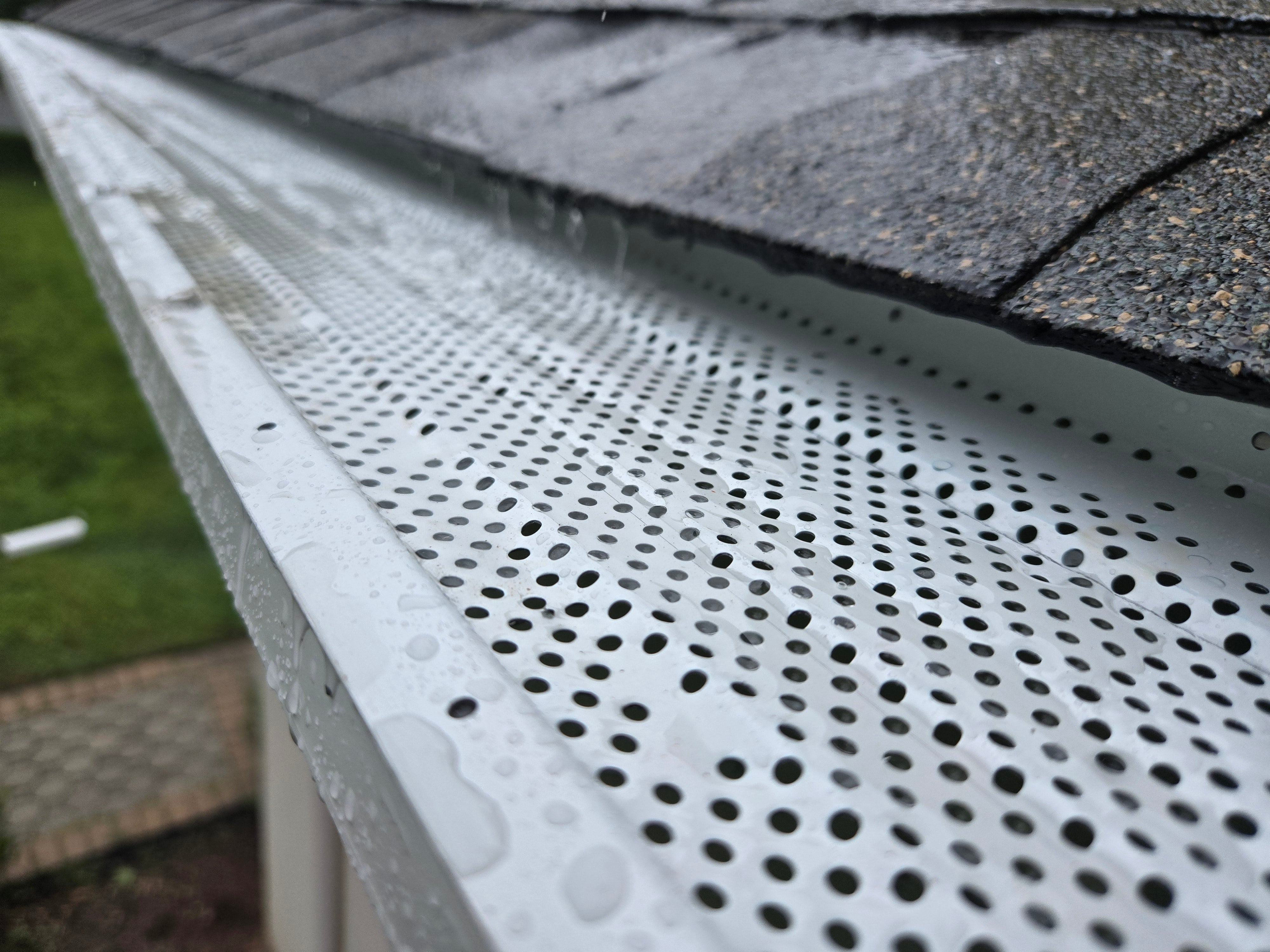
Perforated aluminum (water-entry holes)
Perforated guards install inside the gutter and use holes or slots to let water in while blocking larger debris.
Best for: larger leaves, moderate debris loads
Considerations: fine debris (roof grit and small needles) can pass through larger perforations depending on conditions.
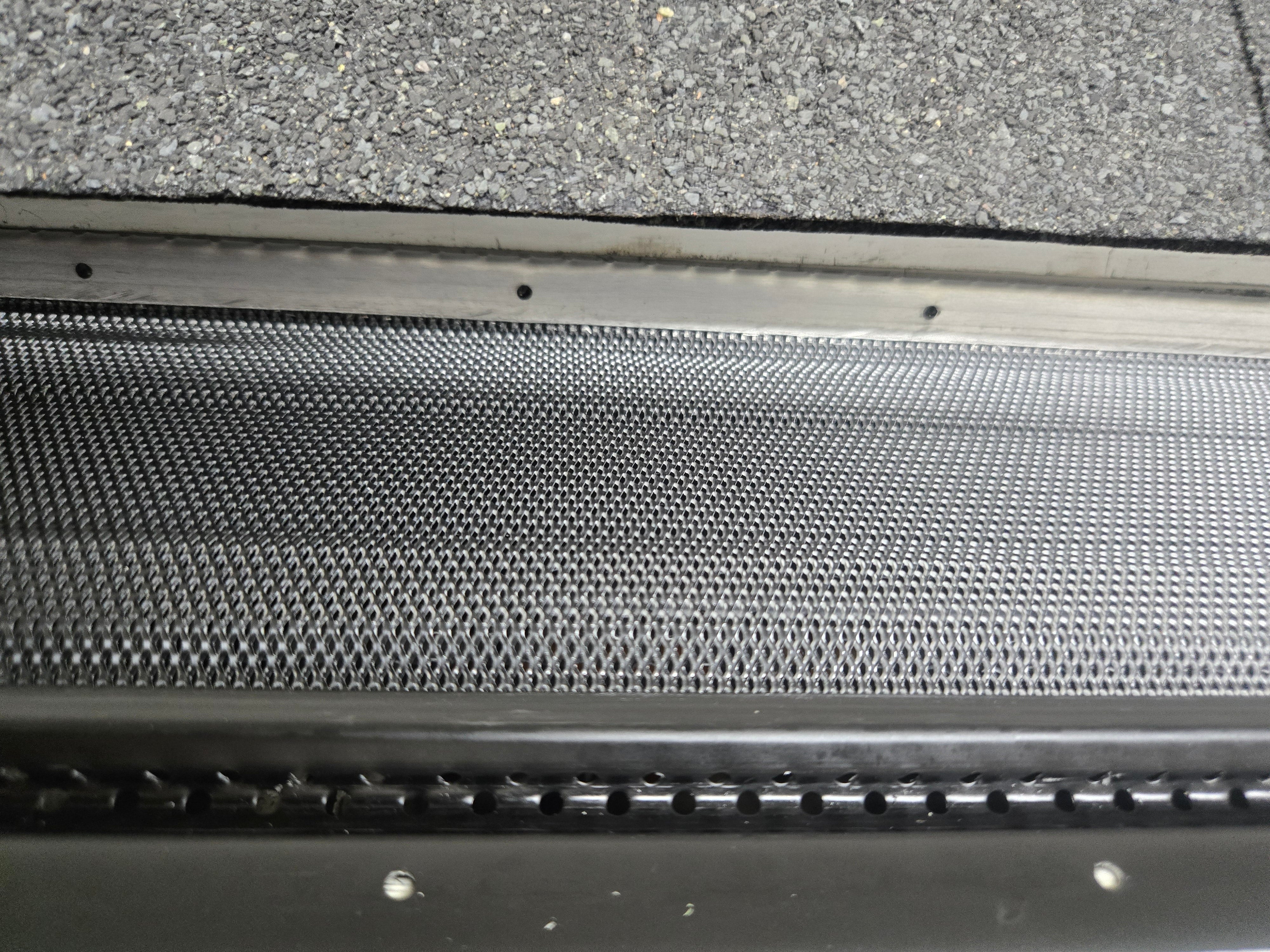
Micro-mesh filtration (fine filtering)
Micro-mesh systems use fine filtration to block smaller debris like roof grit and pine needles while still allowing water into the gutter.
This design is often preferred in pine needle and roof-grit environments because it targets the debris that most often ends up in downspouts.
Best for: pine needles, fine debris, gritty roofs
Considerations: fit, pitch, and installation details strongly affect performance.
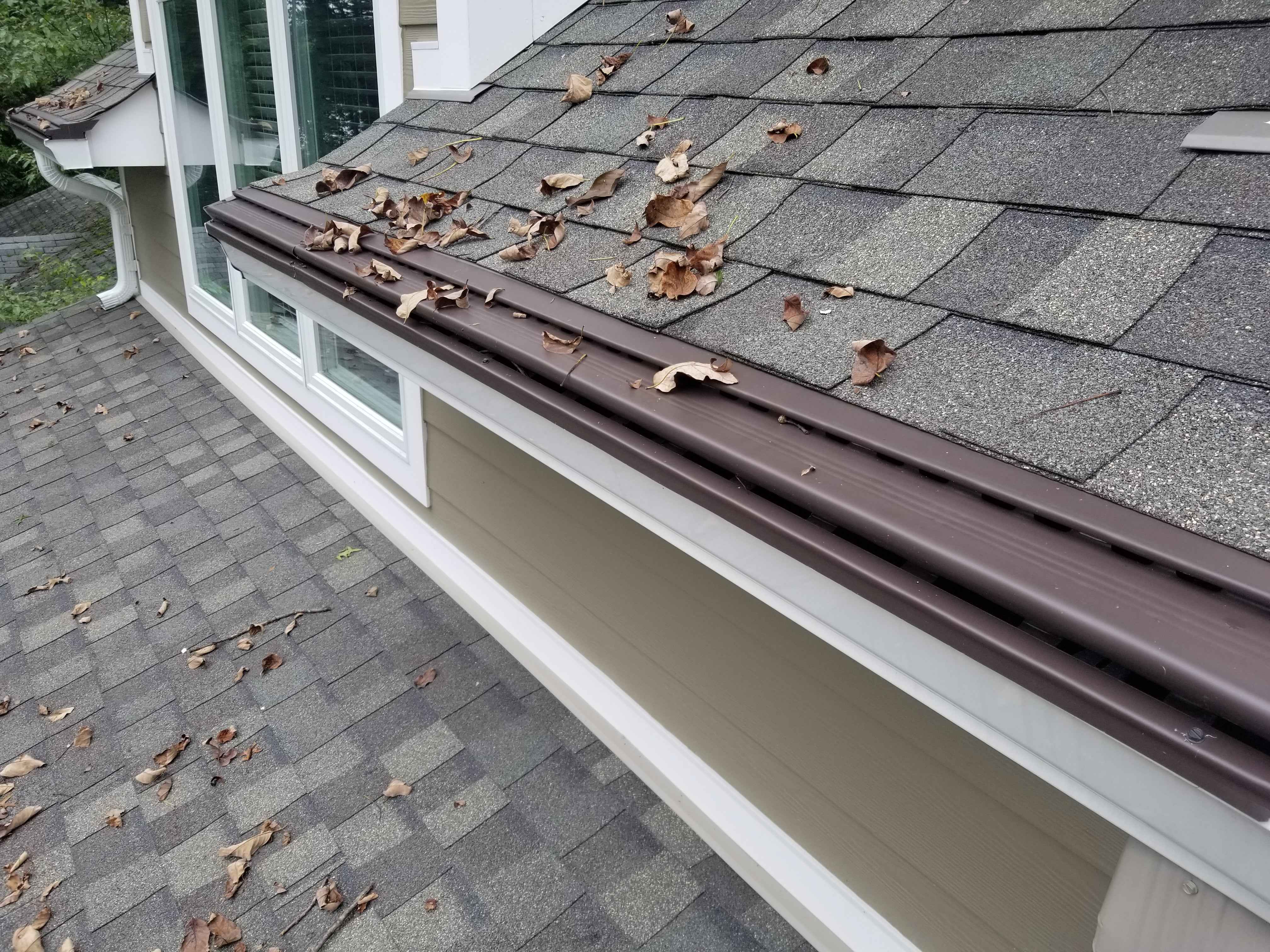
Solid-surface (hood) designs (surface tension)
Solid-surface guards use water adhesion (surface tension) to guide rain into the gutter while debris sheds off the top.
In heavy leaf environments, this style can keep debris moving and reduce buildup at the gutter opening.
Best for: heavy leaf loads, fast shedding
Considerations: during extreme rain, flow management depends on roof pitch, runoff volume, and the product’s intake design.
Why installation matters more than marketing
Correct pitch & placement
The guard must align to the roof edge and gutter lip so water enters cleanly instead of skipping over.
Secure fastening
Attachment method and rigidity matter. A secure system stays consistent through storms, heat cycles, and debris load.
Downspouts still matter
Even the best guard won’t fix a crushed or clogged downspout. Good drainage completes the system.
.
Need help?
Frequently Asked Questions
Order
No system removes 100% of debris in every environment. The goal is to keep debris out of the gutter channel and downspouts, where clogs start.
That’s normal. Guards are designed to keep debris out of the gutter. Wind and rain typically move debris off over time.
Icicles depend on insulation, melting, and freeze/thaw cycles. Guards manage debris and water flow—they don’t create ice.
It depends on debris type (pine needles vs leaves), roof runoff volume, and gutter setup. Comparing systems side-by-side helps you match the right design.
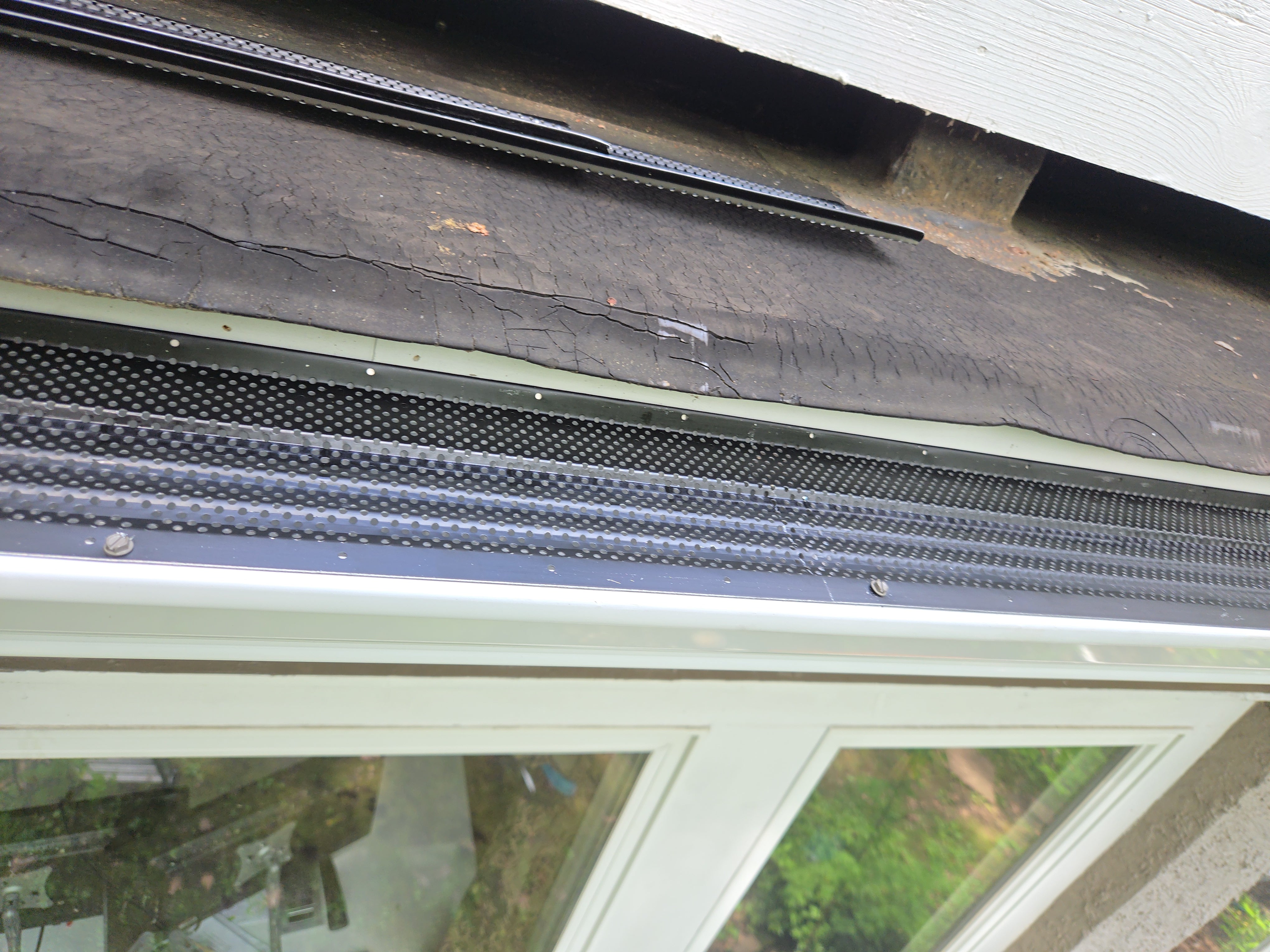
Uses precision-punched openings to allow rainwater into the gutter while blocking larger debris like leaves and twigs.
Perforated Aluminum
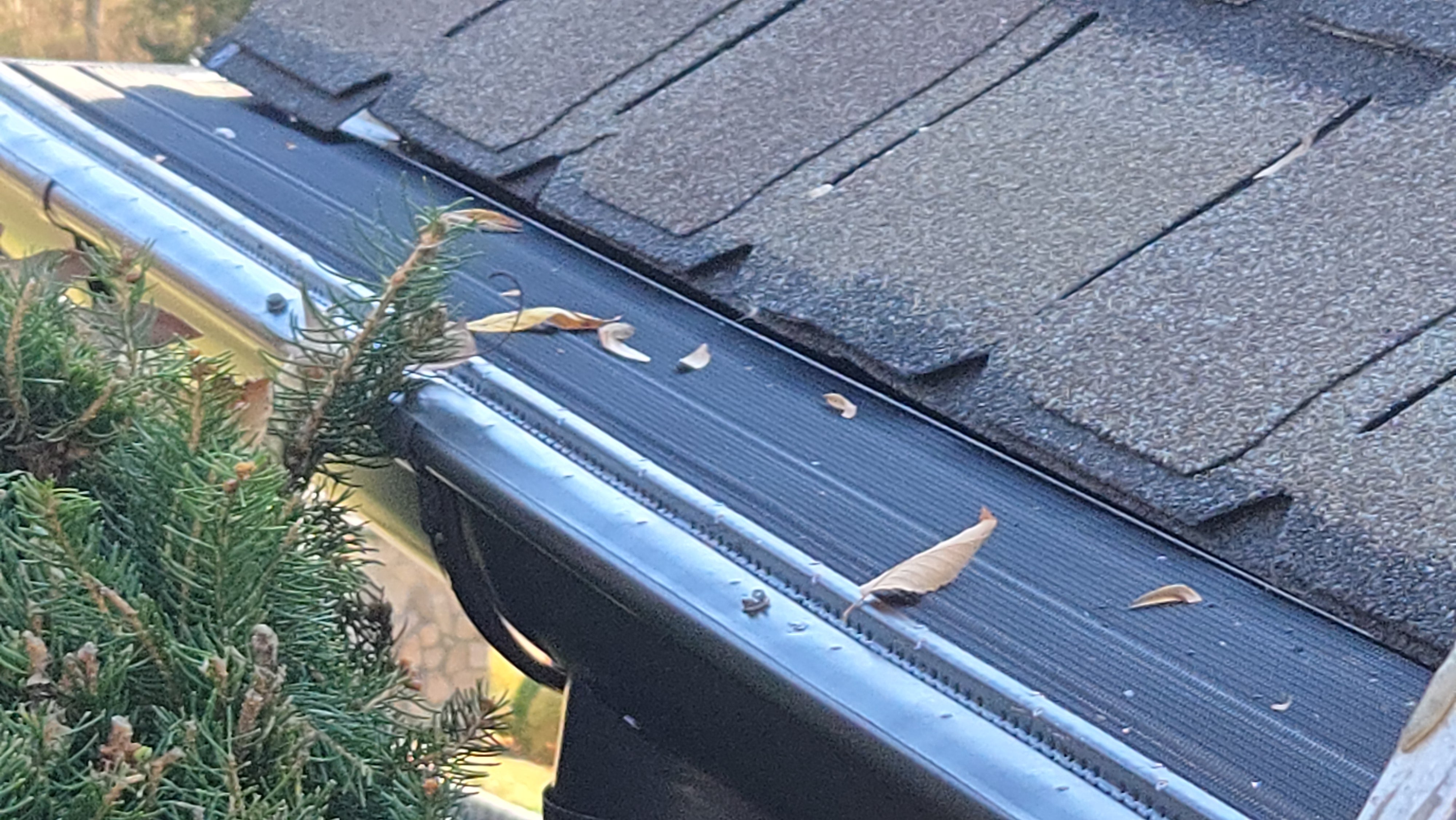
Fine aluminum mesh filtration designed to block small debris such as pine needles and roof grit while maintaining consistent water flow.
Micro-Mesh Filtration
Uses surface-tension water control to guide rain into the gutter while shedding leaves and debris off the top.
Solid-Surface (Hood)